
Main Courses
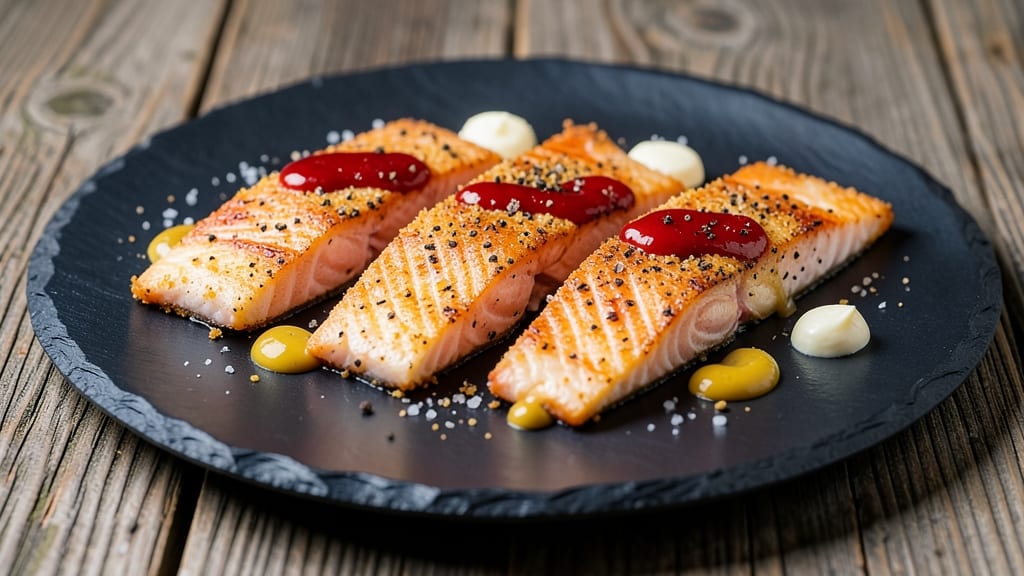
This baked salmon fillets Dijon recipe delivers a perfect balance of crispy texture and bright, tangy flavor—thanks to a simple cornmeal crust that locks in moisture while creating a satisfying crunch. The Dijon mustard plays a subtle but essential role, adding depth without overpowering the delicate salmon flavor.
I developed this method after years of testing different crusts, and it consistently produces restaurant-quality results at home.
The secret lies in the preparation: patting the fillets dry, seasoning generously with salt and pepper, then coating them in a mix of cornmeal, Dijon, and melted butter before baking.
At 375°F for 12–15 minutes, the salmon cooks just enough to stay tender inside while developing that crispy crust outside. The tangy Dijon infuses the butter, creating a flavorful barrier that keeps the fish juicy and flavorful.
What you’ll end up with is salmon that’s golden-brown and crispy on the edges, with a tender, flaky interior and a subtle tang from the Dijon. The crust adds texture without masking the natural richness of the fish, making every bite satisfying.
Serve with lemon wedges and fresh dill to brighten the dish further and complement the crust’s complexity.
This recipe works equally well for weeknight dinners or special occasions—just scale the portion sizes as needed. The method is straightforward but precise, ensuring foolproof results every time. Once you try this version, store-bought salmon will never taste the same again.
Ingredients for baked salmon fillets dijon
Nine ingredients transform simple salmon fillets into restaurant-quality crispy, tangy perfection.
| Ingredient | Amount | Notes |
|---|---|---|
| Center-Cut Salmon Fillets 🐟 | 4 whole | Skin-on, 6-8 oz each |
| Fine Cornmeal 🌾 | ½ cup | White or yellow, not self-rising |
| Dijon Mustard 🍯 | 2 tbsp | High-quality, smooth variety |
| Unsalted Butter 🧈 | 4 tbsp | Cold, cut into pieces |
| Kosher Salt 🧂 | 1 ½ tsp | Fine grain preferred |
| Freshly Ground Black Pepper 🌶️ | 1 tsp | Cracked, not pre-ground |
| Lemon Zest 🍋 | 1 tbsp | From 1 large lemon |
| Fresh Dill 🌿 | ¼ cup | Chopped, stems removed |
| Extra-Virgin Olive Oil 🫒 | 1 tbsp | For drizzling |
| Lemon Wedges 🍋 | 4 whole | For serving |
The salmon fillets are non-negotiable—center-cut, skin-on ensures even cooking and that coveted crispy crust. Look for fillets with bright pink color and firm texture at Whole Foods or your local seafood counter. If buying frozen, thaw overnight in the fridge, never at room temperature. The Dijon mustard should be smooth and well-aged—avoid the grainy kind. For the cornmeal, Bob's Red Mill is a reliable brand, but any fine-ground variety works. The butter matters too; Plugrá or Land O'Lakes unsalted melt beautifully without adding saltiness.
No Dijon mustard? Whole-grain mustard thinned with 1 tsp water works in a pinch, though the flavor won’t be identical. Running short on fresh dill? Dried dill at one-third the amount gets you close, but fresh is ideal for that bright aroma. The lemon zest can be substituted with 1 tbsp bottled lemon juice if you’re in a hurry, though fresh zest adds complexity. For the crust, if you don’t have cornmeal, panko breadcrumbs create a similar texture—just add an extra 1 tbsp olive oil to bind them. The salmon should be bone-free; if you find pin bones, remove them carefully with tweezers.
This dish reheats poorly, so plan to serve immediately. Store any unused cornmeal in an airtight container for up to 6 months, and keep Dijon mustard in the fridge after opening for 3 months. The fresh dill and lemon zest can be prepped ahead and stored in the fridge for 2 days in a sealed container. For a make-ahead option, assemble the crust mixture (cornmeal, Dijon, and melted butter) up to 1 day in advance and refrigerate. The salmon itself should be kept on ice until ready to coat and bake.
Why You'll Love This Recipe
- Two-Ingredient Magic: I swear by this trick—just slather Dijon mustard and pat on cornmeal. No marinating, no fuss, and the butter melts into that perfect golden crust while you’re still chopping veggies.
- Crispy-Creamy Obsession: That first bite? Crunchy exterior, tender inside—like a hug from a French bistro. The Dijon adds tang, the cornmeal gives crunch, and the butter ties it all together in under 20 minutes.
- Lunchbox Hero: Between us, this is my go-to for meal prep. Cold salmon holds up beautifully, and the flavors only get better the next day. Pack it with greens and a squeeze of lemon—office lunch, game day snack, or lazy Sunday brunch? Done.
- Budget Bright Spot: Salmon fillets feel fancy but won’t break the bank. A single pan, five ingredients, and you’ve got a dish that tastes like it cost twice as much. Honestly, I make this instead of takeout when my wallet’s screaming.
Step-by-step instructions for baked salmon fillets Dijon recipe
Here's how to create perfectly crispy salmon with a golden cornmeal crust and bright Dijon flavor.
Prepare the Salmon and Seasoning Mixture
Preheat your oven to 425°F to ensure it's ready when you're done preparing the salmon. Pat the 4 whole center-cut salmon fillets dry with paper towels, pressing firmly to remove all moisture from the surface. This step is crucial for creating that crispy crust later.
In a small bowl, combine 2 tablespoons Dijon mustard, 1 tablespoon lemon zest, 1.5 teaspoons kosher salt, and 1 teaspoon freshly ground black pepper. Mix until fully incorporated. This bright, tangy seasoning blend will penetrate the salmon while adding depth of flavor. Spread this mixture evenly over both sides of each fillet, pressing gently to help it adhere.
Create the Crispy Cornmeal Crust
Place the 0.5 cup fine cornmeal in a shallow dish large enough to accommodate all four fillets. Lightly brush each fillet with 1 tablespoon extra-virgin olive oil to help the cornmeal cling and create an even coating. Press each fillet into the cornmeal, turning to coat all sides completely. You should see an even, golden layer of cornmeal clinging to the salmon.
I like to work in batches to ensure each fillet gets proper attention. The cornmeal should be evenly distributed, but don't worry if it's not perfect—any gaps will still yield delicious results. This crust will become beautifully crispy during baking while keeping the salmon moist inside.
Arrange and Bake the Salmon
Place the cornmeal-coated salmon fillets on a parchment-lined baking sheet, leaving about 1 inch of space between each fillet. This prevents them from steaming and ensures even browning. Cut the 4 tablespoons unsalted butter into small pieces and scatter them evenly over the top of the fillets. The butter will melt during baking, basting the salmon and adding rich flavor.
Bake for 12-15 minutes until the edges are deep golden brown and the internal temperature reaches 145°F when measured with an instant-read thermometer. The cornmeal crust should be crispy while the salmon remains tender inside. If the crust browns too quickly, tent the baking sheet loosely with foil to prevent over-browning while finishing cooking.
Finish with Fresh Dill and Serve
Remove the salmon from the oven and immediately sprinkle with 0.25 cup chopped fresh dill. The bright, herbal notes of the dill complement the tangy Dijon and crispy cornmeal perfectly. Let the salmon rest for 3-5 minutes before serving—this allows the juices to redistribute, ensuring each bite is moist and flavorful.
Serve immediately with the 4 whole lemon wedges on the side for squeezing over the top. The contrast of crispy crust, tender salmon, and bright citrus creates a restaurant-quality dish that's surprisingly simple to prepare. Each bite should deliver that satisfying crunch followed by perfectly cooked salmon infused with Dijon and lemon flavors.
Pro Tips For Making Baked Salmon Fillets Dijon
- Preheat Like It’s 200°F: Your oven needs time to hit that mark—no exceptions. I used to skip this and ended up with salmon that was either raw inside or dried out. Set the oven to 200°F (convection if possible) and let it roar for 10 minutes before adding the salmon. That extra heat jump-starts the crust from the cornmeal and butter.
- Pat Dry, Then Salt: Wet salmon is the enemy of crispy cornmeal crusts. After patting the fillets thoroughly with paper towels, hit them with kosher salt right away—this seasoning gets absorbed better and keeps the flesh juicy. Skip this, and you’ll end up with a sad, soggy coating.
- Don’t Overmix the Dijon: The mustard in this recipe is for flavor, not a glaze. Mix just 1 tablespoon of Dijon with the butter—any more, and it’ll turn into a sticky mess that clings to the salmon like glue. Spread it lightly in a thin layer; you want it to caramelize, not steam.
- Test at 125°F: Salmon’s done when it flakes easily, not when it hits 145°F. Use an instant-read thermometer—insert it into the thickest part, and pull it out when it reads 125°F. The residual heat will push it to 130°F, and the flesh will stay tender. Overcook it, and you’ll regret every bite.
Creative variations of baked salmon fillets dijon
Herb-Infused Crust
Swap the cornmeal for a mix of 2 tbsp chopped fresh parsley, 1 tbsp chopped chives, and 1 tbsp dried breadcrumbs for a fragrant twist. Brush the fillets with 1 tbsp melted butter mixed with 1 tsp lemon juice before pressing into the herb crust.
Bake as directed, and finish with an extra sprinkle of fresh herbs for vibrant color and aroma. 🌿
Spicy Cajun Twist
Add 1 tbsp Cajun seasoning (like Tony Chachere's) to your Dijon mixture for a bold, smoky kick. Include ½ tsp smoked paprika and ¼ tsp cayenne pepper for extra depth. Serve with a side of cool creamy coleslaw to balance the heat and complement the crust's texture.
Maple-Glazed Variation
After baking, brush the salmon with 2 tbsp maple syrup mixed with 1 tsp Dijon mustard and let it caramelize for 2-3 minutes under the broiler. This adds a sweet-tangy glaze that pairs beautifully with the cornmeal crust. Garnish with crystallized ginger for a sophisticated touch.
Asian-Inspired Sesame Crust
Replace the cornmeal with ¼ cup toasted sesame seeds and 2 tbsp panko breadcrumbs. Mix 1 tbsp soy sauce and 1 tsp grated ginger into your Dijon seasoning blend. After baking, drizzle with 1 tbsp sesame oil and top with thinly sliced scallions for an umami-packed variation.
Lemon-Caper Crust
Add 2 tbsp chopped capers and 1 tbsp lemon zest to your cornmeal mixture for a briny, citrusy twist. The capers add texture and a salty punch that enhances the Dijon's tang.
Serve with a side of warm crusty bread to soak up any extra lemony flavors from the plate. 🍋
Smoked Paprika Crunch
Mix 1 tsp smoked paprika and ½ tsp garlic powder into your cornmeal before coating the fillets. After baking, sprinkle with crushed red pepper flakes for a subtle heat that pairs perfectly with the smoky crust. This variation works especially well with wild-caught salmon for a deeper, earthier flavor profile.
Nutrition facts
Frequently asked questions
Can I use skinless salmon fillets for this recipe?
The recipe calls for skin-on fillets to help the crust adhere better and create that perfect crispy texture. If you must use skinless, press the crust mixture firmly onto the fillets and bake for 10-12 minutes instead of 12-15 minutes to prevent overcooking. The crust may be slightly less crispy but still delicious.
What if my salmon crust isn't crispy?
Crispiness depends on drying the fillets thoroughly and using a hot oven (425°F). For extra crunch, broil for 1-2 minutes at the end. If the crust falls off, the fillets weren't dry enough—pat them again next time and let them sit for 10 minutes uncovered before coating.
How do I adjust this for thicker salmon fillets?
For fillets over 1-inch thick, reduce oven temperature to 375°F and bake for 15-18 minutes, checking at 145°F internal temp. Add 1 extra tbsp Dijon to the seasoning mix to penetrate deeper. The crust may need 2-3 minutes under the broiler at the end for crispiness.
Can I make this recipe ahead of time?
Prepare the crust mixture (cornmeal, Dijon, and melted butter) up to 1 day ahead and store in an airtight container. Assemble the fillets and refrigerate for 2 hours before baking—this helps the crust adhere better. Never fully cook ahead; salmon reheats poorly and loses moisture.
What's the best way to store leftovers?
Store cooked salmon in an airtight container for 1-2 days in the fridge. Reheat gently in a 350°F oven for 5-6 minutes with a splash of water to maintain moisture. For longer storage, freeze for up to 1 month—thaw overnight in the fridge before reheating.