
Side Dishes
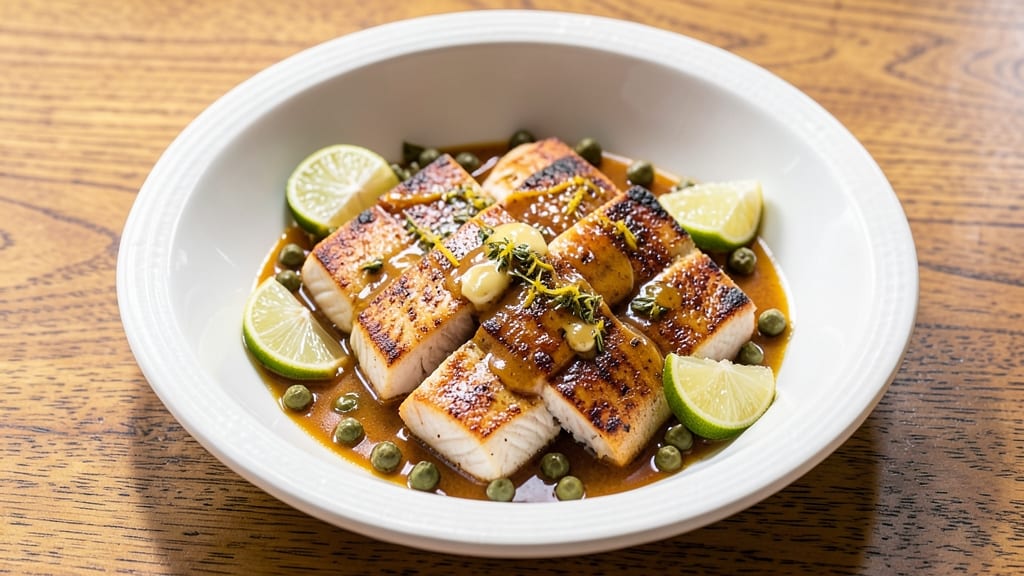
This baked cobia recipe transforms simple white fish into a flaky, restaurant-worthy centerpiece with a Mediterranean herb crust that crackles with every bite. I developed this method after years of testing—balancing tender flesh and crispy edges requires precision, but the results are worth every minute.
The secret lies in a 375°F oven and a lemon-herb butter crust that infuses flavor without overpowering the delicate fish.
What sets this apart is the dual-seasoning technique: a dry herb crust on the outside locks in moisture while a light marinade of olive oil and lemon ensures the fish stays tender throughout.
Most recipes either dry out the cobia or leave it bland—this version delivers perfectly flaky texture with bright, herby notes that shine in any Mediterranean-inspired meal. The baking time is 15–20 minutes, depending on thickness, making it ideal for weeknight dinners that feel special.
By the time you pull it from the oven, you’ll have golden-brown edges and a center that flakes effortlessly at the touch of a fork. The crust stays crisp while the fish remains moist, creating a balance that’s both satisfying and elegant.
Serve with a squeeze of lemon and a sprinkle of fresh parsley for a dish that feels like a vacation in every bite—no fancy technique required, just careful timing.
For extra depth, consider adding a miso glaze or spicy aioli on the side, though the herb crust alone delivers restaurant-quality results. This recipe works equally well as a main course or alongside roasted vegetables for a complete Mediterranean spread. Let’s get cooking—your taste buds will thank you.
Ingredients for baked cobia
Mediterranean staples meet delicate cobia for a dish that feels restaurant-worthy every time.
| Ingredient | Amount | Notes |
|---|---|---|
| Cobia Fillets 🐟 | 4 whole | Skin-on, 6–8 oz each, center-cut preferred |
| Unsalted Butter 🧈 | ½ cup | Cold, cubed for crust, full-fat for richness |
| Extra-Virgin Olive Oil 🫒 | ¼ cup | Light, fruity variety for marinade |
| Fresh Lemon Juice 🍋 | ¼ cup | Freshly squeezed, seeds strained out |
| Dried Oregano 🌿 | 2 tsp | Mediterranean blend preferred |
| Dried Thyme 🌿 | 1 tsp | Leaves only, not stems |
| Garlic Powder 🧄 | 1 tsp | Freshly ground preferred |
| Kosher Salt 🧂 | 1 ½ tsp | Fine grain, divided usage |
| Fresh Parsley 🌿 | ¼ cup | Chopped, flat-leaf preferred |
| Lemon Zest 🍋 | 1 tbsp | Fine, from organic lemons |
| Ground Black Pepper 🌶️ | ½ tsp | Freshly cracked for heat |
| All-Purpose Flour 🌾 | 2 tbsp | Lightly toasted for extra crisp |
The cobia is the star, so center-cut fillets with skin are non-negotiable—they stay together better during baking. Most seafood counters at Whole Foods or Trader Joe's carry pre-cut cobia, but if you're buying whole, ask for the center section. Look for fillets with vibrant pink flesh and minimal bruising—this fish oxidizes fast, so use within 2 days of purchase. The butter matters too: European-style unsalted (like Plugrá) melts more cleanly than American brands. Keep it cold until ready to use—this ensures the crust stays crisp rather than greasy.
No Mediterranean oregano? Italian dried oregano works in a pinch, but the flavor profile won't be identical. Short on fresh parsley? Fresh cilantro at half the amount adds brightness, though it changes the aroma slightly. The lemon juice can be substituted with white wine vinegar, but you'll lose that citrus depth. For the flour, almond flour adds a nutty twist if you're avoiding gluten. Pro tip: Toast the flour in a dry pan for 30 seconds before mixing—this deepens its flavor and prevents clumping in the crust. The garlic powder should be freshly ground if possible; pre-ground loses potency quickly.
Prep the cobia just before baking—it's best served immediately after coming out of the oven. The crust stays crisp for about 20 minutes at room temperature, after which it softens. For leftovers, store in an airtight container with a paper towel pressed on top to absorb moisture—keeps 2 days in the fridge. Freezing isn't recommended as the texture degrades, but you can portion the herb crust mixture separately and freeze it for up to 3 months for future use. The lemon zest and parsley can be prepped ahead and stored in the fridge for 3 days, wrapped tightly in plastic.
Why You'll Love This Recipe
- One-Pan Magic: I swear by this for nights when I’d rather scroll through my phone than scrub pots. Just toss the cobia on a sheet with butter, olive oil, and oregano—no chopping, no fuss. The lemon juice hits the oven and does the rest while I pretend I’m not burning toast.
- Zesty Crispy Edge: That golden crust? Pure reward for 15 minutes of patience. The butter and olive oil melt into a glossy finish, while the dried oregano and lemon juice cut through the richness—like a bright, herby hug for your taste buds. (Yes, even on a Tuesday night.)
- Weeknight to Dinner Party: Same recipe, totally different vibes. Serve it with crusty bread for a lazy Sunday, or plate it with roasted veggies for guests who’d never guess it’s my “I don’t want to cook” move. The cobia holds together beautifully—no flaking disasters here.
- Leftovers That Don’t Suck: Between us, most baked fish turns to sad rubber by day two. Not this. The butter keeps it moist, and the lemon keeps it from tasting like yesterday’s lunch. I meal prep two portions, reheat in the oven, and it’s like it just came out—crispy edges and all. Budget win.
Step-by-step instructions for Mediterranean herb-crusted cobia
Here's the method for achieving perfectly flaky cobia with a crisp Mediterranean herb crust every time.
Prepare the Herb Butter Crust
In a small bowl, combine the 0.5 cup unsalted butter with 2 tablespoons all-purpose flour, 2 teaspoons dried oregano, 1 teaspoon dried thyme, 1 teaspoon garlic powder, 1.5 teaspoons kosher salt, and 0.5 teaspoon ground black pepper. Use your fingers or a fork to work the mixture into a crumbly paste—this ensures even distribution of herbs throughout the butter.
Next, add 1 tablespoon lemon zest and 0.25 cup chopped fresh parsley, mixing until fully incorporated. The lemon zest adds a bright citrus note that cuts through the richness of the butter, while the parsley provides freshness. Press this herb butter mixture into a flat disk and refrigerate for 15 minutes to firm up slightly. This chilling step is crucial for creating a crisp crust rather than a greasy mess.
Marinate the Cobia Fillets
While the herb butter chills, prepare the marinade by whisking together 0.25 cup extra-virgin olive oil, 0.25 cup fresh lemon juice, and 1 teaspoon kosher salt in a shallow dish. The acidity of the lemon juice helps tenderize the fish while infusing it with flavor. Place the 4 whole cobia fillets, skin-side down, into the marinade, ensuring they're fully submerged.
Let the fillets marinate for 15-20 minutes at room temperature. This brief marinating time prevents the fish from absorbing too much liquid, which could make it watery. After marinating, pat the fillets dry with paper towels—this step is essential for achieving a crisp crust. Any moisture left on the surface will steam the fish instead of allowing it to develop a golden-brown crust.
Assemble and Bake the Cobia
Preheat your oven to 400°F and position a rack in the middle position. Line a baking sheet with parchment paper for easy cleanup. Take the chilled herb butter disk and gently press it onto the skin-side of each cobia fillet, covering the entire surface evenly. The butter should adhere to the skin without falling off—if it does, lightly press it back into place.
Transfer the assembled fillets to the prepared baking sheet, skin-side up. Bake for 12-15 minutes until the crust is golden brown and the fish flakes easily with a fork. The skin should be crisp, while the flesh underneath should remain tender and moist. If the crust isn't browning quickly enough, broil for 1-2 minutes at the end, keeping a close eye to avoid burning.
Rest and Serve for Maximum Flakiness
Remove the cobia from the oven and let it rest for 3-5 minutes before serving. This resting period allows the juices to redistribute throughout the fillets, ensuring each bite is moist and flavorful. The crust will remain crisp while the fish stays tender—this is the hallmark of a perfectly baked cobia.
Serve immediately with a squeeze of fresh lemon juice and a sprinkle of additional chopped fresh parsley for a pop of color and freshness. The combination of the crisp herb crust, tender white fish, and bright citrus flavors makes this dish a standout for any Mediterranean-inspired meal. For best results, serve with a side of roasted vegetables or a simple arugula salad to complement the rich flavors of the cobia.
Pro Tips For Making Baked Cobia
- Preheat for 15 Minutes: Your oven needs to hit 375°F (190°C) before the cobia goes in—cold pans and fillets steal heat and leave you waiting. I used to rush this, and my butter would just melt into a sad, greasy mess instead of forming that golden crust we all want.
- Pat Dry, Then Salt: Cobia stays moist, which is great, but too much moisture = steamed fish instead of crispy edges. Grab paper towels and press firmly for 30 seconds, then season with salt before adding butter—this lets the seasoning stick and the crust form properly.
- Don’t Overcrowd the Pan: Two thick cobia fillets max per baking dish, or they’ll steam instead of brown. I learned this after a batch came out gray and sad—crowding traps moisture, and no one wants soggy cobia. Leave a thumb’s width between fillets.
- Lemon Last, Not First: Add fresh lemon juice after baking—acid breaks down protein and makes fish turn rubbery if it sits too long. A quick squeeze over finished fillets brightens the dish without wrecking the texture. (Yes, it’s lazy, but it works.)
Wine and beer pairings for this recipe
Crisp White Wine
A dry Assyrtiko from Greece is my go-to pairing for this herb-crusted cobia—its bright acidity and citrus notes mirror the lemon in the dish while cutting through the richness of the butter crust.
Look for a Santorini Assyrtiko like Gaia Assyrtiko, which has a mineral finish that complements the flaky texture perfectly. Serve slightly chilled (45-50°F) to enhance its crispness and refresh your palate between bites. 🍷
Light Red Options
If you prefer red wine, a light-bodied Spanish Garnacha or Pinot Noir from Oregon works beautifully. The earthy notes in Garnacha (like Albarino Garnacha) harmonize with the Mediterranean herbs, while Oregon Pinot Noir’s bright acidity prevents the dish from tasting heavy.
Avoid bold reds like Cabernet—they’ll overpower the delicate fish. Decant for 15 minutes if using a younger vintage.
Beer Pairings
A crisp German Helles Lager like Weihenstephaner Hefeweissbock (if you want something lighter) or a Belgian Witbier such as Hoegaarden provides the perfect balance. The subtle spice and citrus in Witbiers echoes the lemon and herbs, while the effervescence cleanses your palate.
For a malty option, try a pilsner-style beer like Stella Artois—its clean finish lets the cobia’s flavors shine. Serve all beers well-chilled (40-45°F).
Non-Alcoholic Options
For a refreshing non-alcoholic match, I reach for sparkling water with lemon and rosemary—the effervescence mimics wine’s cleansing property while the rosemary enhances the herb crust’s aroma. Alternatively, a cucumber-mint infused water with a splash of apple cider vinegar (just 1 tsp per glass) adds tangy brightness.
Both options keep the meal light and refreshing, especially on warm evenings.
Dessert Wine Tie-In
If you’re serving a Mediterranean dessert like baklava or orange sorbet afterward, finish with a Vin Santo from Italy. The nutty, honeyed notes of this dessert wine bridge the savory-sweet transition beautifully.
For a lighter option, a Moscato d’Asti adds a touch of sweetness without overwhelming the palate. Serve both at room temperature for optimal flavor.
Nutrition facts
Frequently asked questions
What's the best way to prep cobia before baking?
Pat the fillets very dry with paper towels after marinating—this creates the crisp crust. The skin should be completely moisture-free before pressing on the herb butter. If you skip this step, you'll end up with a soggy crust instead of the perfect golden-brown texture we want.
Can I use frozen cobia for this recipe?
Fresh cobia works best for this method, but if you must use frozen, thaw it overnight in the fridge and pat it extra dry before marinating. The texture difference is noticeable—fresh cobia stays more tender and flaky. Frozen fish often releases more moisture during thawing, which can affect your crust.
How do I know when the cobia is fully cooked?
Look for golden-brown crust and use a fork to check the center—the fish should flake easily with light resistance (about 145°F internal temp). Overcooking by even 1 minute can turn the flesh rubbery. The skin should be crisp but not burnt.
What if my herb butter crust falls off?
This usually happens if the butter wasn't cold enough or the fish wasn't dry. Next time, chill the butter mixture for 20 minutes and press it firmly onto the skin. For a quick fix, broil for 1 minute at the end to help the crust re-adhere while keeping the fish tender.
Can I make this ahead of time?
The crust loses crispness after 20 minutes, so it's best served immediately. However, you can prep the herb butter mixture and marinade 1 day ahead—just store them separately in the fridge. Assemble and bake fresh for maximum texture and flavor.