
Breakfast & Brunch
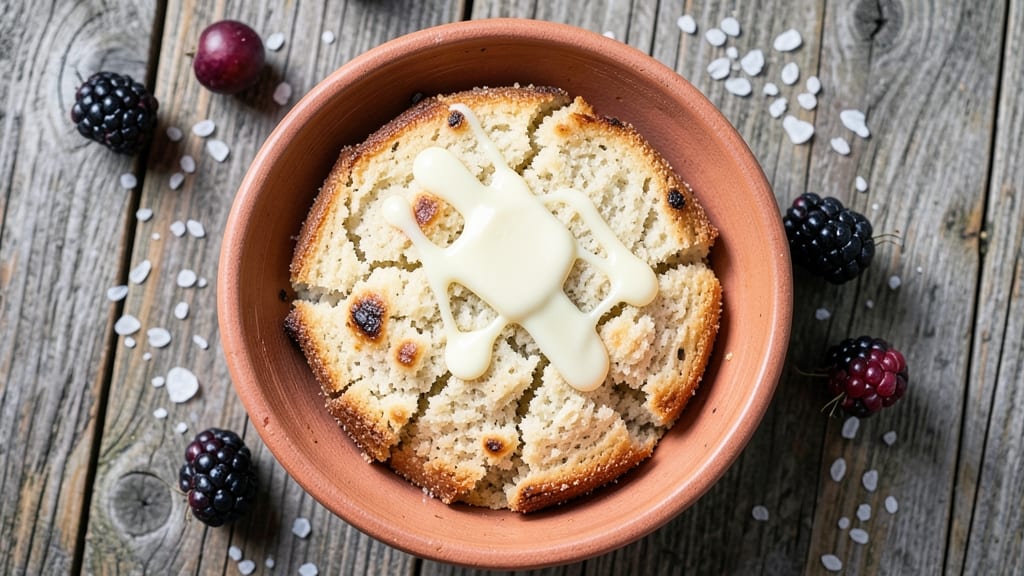
Aunt Jemima white cornmeal cornbread delivers that perfect balance of buttery crust and moist center that makes every bite irresistible. This classic Southern recipe captures the essence of comfort food—slightly sweet, crumbly, and packed with that signature cornmeal flavor.
I've perfected it over years of testing, ensuring it stays tender yet sturdy enough to handle everything from butter to honey. The secret lies in the right mix of white cornmeal and all-purpose flour, creating a texture that's both hearty and delicate.
The beauty of this cornbread is its versatility—serve it warm alongside chili, smothered in honey for breakfast, or even as a side for fried chicken. The recipe uses simple ingredients you likely already have on hand, but the technique ensures restaurant-quality results every time.
No special equipment is needed, just a standard oven and a little patience for the baking process. What sets this apart is the way the crust turns golden and crisp while the inside remains soft and crumbly, almost like a cross between a cake and a quick bread.
By the time it comes out of the oven, you'll have cornbread with a rich, buttery aroma that fills your kitchen and makes everyone gather around. The slight sweetness from the sugar and cornmeal balances perfectly with the savory notes, creating a flavor profile that's both nostalgic and satisfying.
This isn't just another cornbread recipe—it's the one that brings back memories of Sunday dinners and family gatherings, all while being easy enough for a weeknight meal.
Whether you're a seasoned baker or just starting out, this recipe is foolproof and delivers consistent results. The baking time is short, but the payoff is worth it. Let's get started on a batch that will become a staple in your home, just like it has in mine for years.
The best part? Leftovers reheat beautifully, making this the ultimate make-ahead recipe for busy mornings or lazy weekends.
Ingredients for aunt jemima white cornmeal cornbread
Nine simple ingredients transform into cornbread with a buttery crust and moist center that'll have everyone asking for seconds.
| Ingredient | Amount | Notes |
|---|---|---|
| White Cornmeal 🌽 | 1 ½ cups | Fine grind for best texture |
| All-Purpose Flour 🌾 | 1 cup | For structure and tenderness |
| Granulated Sugar 🍚 | ¼ cup | Balances cornmeal sweetness |
| Baking Powder 🍞 | 2 tsp | Aluminum-free for best rise |
| Salt 🧂 | 1 tsp | Kosher or sea salt |
| Unsalted Butter 🧈 | ½ cup | Cold, cubed for flakiness |
| Milk 🥛 | 1 cup | Room temperature preferred |
| Large Eggs 🥚 | 1 whole | Room temperature for even baking |
| Vanilla Extract 🌸 | 1 tsp | Pure vanilla for authentic flavor |
| Baking Soda 🍞 | ½ tsp | Boosts lift and tenderness |
| Corn Oil 🫒 | ¼ cup | Lightens texture, optional |
The white cornmeal is the star here—Bob's Red Mill or King Arthur brands are my go-tos for that fine grind that gives the perfect texture. If you're using pre-packaged mix, skip the corn oil and add an extra tablespoon of milk for moisture. The butter? Cold cubes are non-negotiable—they create those golden, flaky layers that make this cornbread restaurant-quality. I always buy unsalted butter (like Land O'Lakes or Plugrá) and measure it precisely—don't melt it first, or you'll lose that crisp crust. For the milk, whole milk gives the richest flavor, but 2% works in a pinch.
No corn oil? Melted butter or vegetable oil works just fine—just reduce the milk by 2 tablespoons to balance the extra fat. Short on vanilla? Vanilla bean paste adds depth, or a pinch of cinnamon gives warmth. The baking powder and soda are team players—if you're using a mix, check the leavening first. For a savory twist, swap the sugar for an extra tablespoon of cornmeal and add a dash of onion powder. The egg can be separated if you're worried about richness, but honestly, the whole egg makes it taste like home. And if you're baking in a high-altitude area, add 1/4 teaspoon more baking powder.
This cornbread is best served fresh—warm slices with honey or butter are pure magic. But leftovers? Wrap them in foil and reheat in a 350°F oven for 10 minutes—they'll taste almost as good as day one. Store the batter for up to 24 hours in the fridge, but bake it ASAP for the best texture. The baked loaf keeps for 3 days in an airtight container, though I rarely have any left that long. Freeze slices for up to 3 months—perfect for quick breakfasts or chili toppings.
Why You'll Love This Recipe
- No-Fuss Mixing: I swear by this recipe because it’s literally five ingredients—just dump them in a bowl, stir, and bake. No eggs, no butter fussing, no waiting for dough to rise. The Aunt Jemima cornmeal gives it that classic crumbly texture without any extra work.
- Sweet-Savory Magic: That little pinch of sugar in the dry mix? It’s the secret weapon. The cornbread turns out tender with just enough sweetness to balance savory meals—think chili, fried chicken, or even a simple bowl of soup. Honestly, it’s the kind of side that makes everything better.
- Weeknight Hero: Between us, this is my go-to when I’m too tired to measure wet and dry ingredients separately. The baking powder does all the rising work, so it’s ready in 25 minutes. (Yes, even on a Tuesday night when takeout feels like a chore.)
- Budget Breakfast Win: A single batch costs me pennies and stretches to three meals: toast for breakfast, cornbread muffins for lunch, and dinner sides. The flour and cornmeal are cheap staples, and it freezes like a dream—so I always have a backup. My wallet thanks me.
Step-by-step instructions for Aunt Jemima white cornmeal cornbread
Here's how to create that perfect buttery crust with a moist, crumbly center—every time!
Mix Dry Ingredients for Maximum Fluffiness
In a large mixing bowl, whisk together the 1.5 cups white cornmeal, 1 cup all-purpose flour, 0.25 cup granulated sugar, 2 teaspoons baking powder, 1 teaspoon salt, and 0.5 teaspoon baking soda. This dry blend is the foundation of that classic cornbread texture—don't skip the whisking! You want to break up any lumps in the cornmeal and distribute the baking powder and soda evenly throughout. The sugar will help balance the slightly earthy corn flavor while keeping the crumb tender.
I like to sift the dry ingredients through a fine-mesh sieve as I whisk—this ensures no clumps remain and creates a lighter texture. The baking powder and baking soda work together to give that signature lift, so make sure they're evenly distributed. Set this mixture aside for now; we'll come back to it after preparing the wet ingredients.
Combine Wet Ingredients for Perfect Texture
In a separate bowl, melt the 0.5 cup unsalted butter over low heat or in the microwave until completely liquid but not hot. Then, let it cool slightly—you want it warm to the touch but not scorching. Add the 1 cup milk, 1 whole large egg, 1 teaspoon vanilla extract, and 0.25 cup corn oil to the melted butter. Whisk vigorously until everything is fully combined and smooth.
Here's where the magic happens: the corn oil lightens the texture while keeping the cornbread moist, and the vanilla adds that subtle depth of flavor. The egg binds everything together, while the warm butter creates those beautiful flaky layers in the crust. If you're using room-temperature milk, this step will go even smoother—no lumps at all!
Mix Wet and Dry for a Fluffy Batter
Now, gradually pour the wet ingredients into the dry ingredients while mixing on low speed with an electric mixer—or stir by hand if you prefer. Mix just until combined—you should still see some cornmeal flecks throughout the batter. Overmixing develops gluten and can make the cornbread dense instead of light and crumbly. The ideal consistency should be like a thick pancake batter, slightly sticky but not runny.
This is the moment where everything comes together! The cornmeal gives that classic cornbread texture, while the all-purpose flour provides structure. The sugar and baking soda work their magic here too, ensuring that perfect rise and tender crumb. Don't worry if it looks a bit lumpy—those little pockets of air are what create that moist center we're after.
Bake for a Golden Crust and Moist Center
Preheat your oven to 425°F and generously grease a 9-inch cast-iron skillet or baking dish with butter or oil. The cast iron is ideal because it conducts heat evenly and creates that perfect crust, but a well-greased baking dish works too. Pour the batter into the prepared pan and smooth the top with a spatula. Here's a pro tip: I like to make a few shallow grooves in the batter with the spatula—this helps create those beautiful, crispy ridges on top.
Bake for 20-25 minutes until the edges are golden brown and the top springs back when gently pressed. The center should look slightly underdone, but that's perfect—it'll finish cooking as it rests. The cornmeal will give off a wonderful aroma as it bakes, filling your kitchen with that classic cornbread scent. If you see the top browning too quickly, tent it loosely with foil to prevent over-browning while still allowing it to cook through.
Rest and Serve for Maximum Moisture
Remove the cornbread from the oven and let it rest in the pan for 5-10 minutes. This resting period is crucial—it allows the steam to redistribute, ensuring that moist, crumbly texture throughout. I know it's tempting to dig in right away, but trust me, waiting makes all the difference. After resting, carefully invert the cornbread onto a serving plate if desired, or serve it directly from the pan for that perfect cast-iron crust.
Slice into wedges and serve warm with honey butter, jam, or your favorite BBQ sauce. The exterior should be crisp and golden, while the interior remains moist and crumbly—just like Aunt Jemima intended. And if you're feeling fancy, brush the top with a little extra melted butter before serving for that ultimate buttery finish. Enjoy your homemade cornbread while it's still warm and delicious!
Pro Tips For Making Aunt Jemima White Cornmeal Cornbread
- Preheat Pan Hot: Cast iron or heavy skillet needs to be screaming hot—think 400°F for 10 minutes—before pouring in the batter. I learned this the hard way when my first batch turned out dense instead of golden. The heat shock creates that perfect crust right away.
- Measure Cornmeal Right: Spoon the white cornmeal into the measuring cup and level it off—don’t scoop directly from the bag. Packing it down changes the texture, and this recipe relies on that light, airy crumb. (Yes, even if you’re impatient like me.)
- Skip Overmixing: Stir the dry ingredients and wet ingredients separately, then combine just until the flour disappears. Overworking the batter makes cornbread tough—this isn’t pancake batter. Two quick swirls is all it takes.
- Test Doneness with a Spoon: The edges look done, but the center might still be gummy. Stick a clean spoon in the middle—if it comes out clean, it’s ready. Pulling it too soon is the fastest way to end up with sad, undercooked cornbread. (Your future self will thank you.)
Serving suggestions for this dish
Classic Southern Sides
This cornbread pairs perfectly with classic Southern sides like collard greens or mac and cheese. The slightly sweet, crumbly texture contrasts beautifully with the rich, savory flavors of these dishes.
I like to serve it alongside smothered pork chops or fried chicken—the buttery crust soaks up any extra juices like a dream. 🥓
Breakfast Pairings
For a sweet breakfast, serve warm cornbread slices with honey butter or maple syrup. The golden crust melts into the honey, creating a perfect balance of crunch and sweetness.
I also love pairing it with scrambled eggs and bacon for a hearty Southern-style breakfast. The cornbread adds a comforting, homey touch to any morning meal.
BBQ and Chili Topper
Cornbread is a must-have with BBQ ribs or chili—it’s the ideal vehicle for soaking up every last drop of sauce. I often bake it in a small cast-iron skillet and serve it directly on the table for easy dipping.
For extra flair, brush the top with garlic butter before serving. The contrast of the sweet, crumbly cornbread with smoky BBQ flavors is pure magic. 🍖
Sweet and Savory Variations
For a sweet twist, drizzle warm cornbread with warm honey and sprinkle with crushed pecans or toasted walnuts. For a savory option, top it with sharp cheddar cheese and chives before baking.
The cheese melts into the moist center, adding a rich, tangy layer. This variation is perfect for brunch or as a side for hearty meals.
Dessert-Style Serving
Yes, you can serve cornbread as dessert! Brush warm slices with a thin layer of cream cheese frosting or Nutella, then dust with powdered sugar. The buttery, crumbly texture holds up beautifully to sweet toppings.
I also love serving it with whipped cream and a drizzle of caramel sauce for a decadent treat. It’s a crowd-pleaser at any gathering. 🍯
Make-Ahead Serving Tips
If serving at a party, bake the cornbread ahead and reheat it in a 350°F oven for 10 minutes before serving. The texture stays moist and warm, and the crust regains its crispness. For a rustic touch, serve it in wedges with a side of whipped honey butter for dipping.
Leftovers can be sliced and stored in an airtight container for up to 3 days, making it a great make-ahead option for busy weeks. 💛
Nutrition facts
Frequently asked questions
Why does Aunt Jemima white cornmeal cornbread need both baking powder and baking soda?
The baking powder provides quick lift for that signature rise, while the baking soda enhances tenderness and browning. Together, they create the perfect balance of structure and moisture in every bite.
Can I substitute yellow cornmeal for white cornmeal in this recipe?
While you can use yellow cornmeal, the texture and flavor will differ slightly. White cornmeal creates a finer, more tender crumb that's classic for this style of cornbread. For best results, stick with white cornmeal—but if you must substitute, reduce the sugar by 1 tablespoon to balance the stronger corn flavor.
How do I fix dense cornbread?
Dense cornbread usually means overmixing or insufficient leavening. Next time, mix just until combined (lumps are okay!) and ensure your baking powder/soda are fresh. For a quick fix, try reheating slices in a 350°F oven for 5-10 minutes with a splash of milk to restore moisture.
Can I make this cornbread in a regular baking dish instead of cast iron?
Grease a 9-inch baking dish thoroughly with butter or oil. The texture will be slightly less crisp than cast iron, but still delicious. For extra browning, broil for 1-2 minutes at the end (watch closely!). The key is proper greasing to prevent sticking.
What's the secret to keeping cornbread moist for days?
Store it in an airtight container at room temperature for up to 3 days. For longer storage, wrap individual slices in plastic wrap and freeze for up to 3 months. Reheat in a 350°F oven for 10 minutes—the steam will revive that moist crumb.