
Main Courses
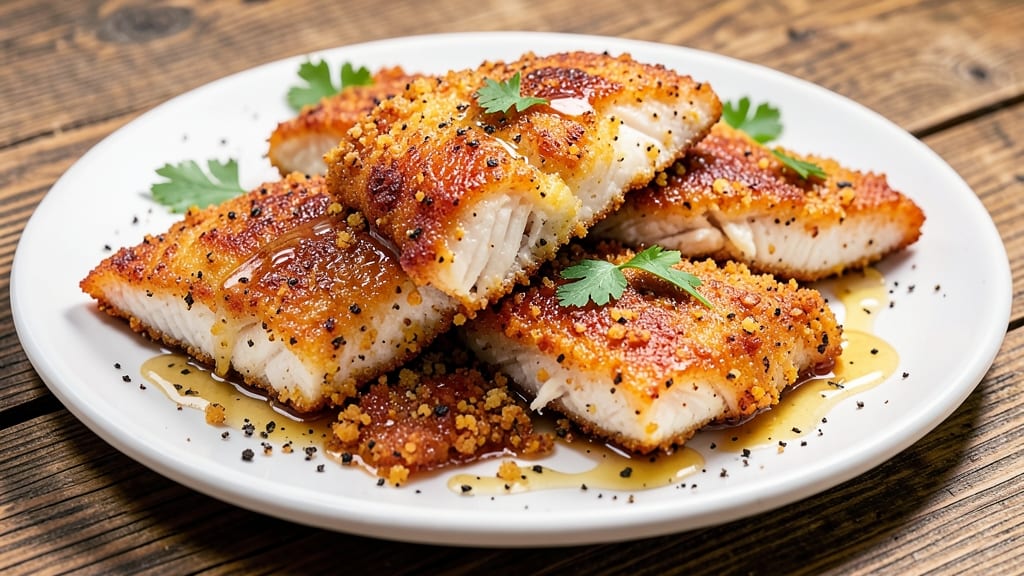
Andy's red fish breading recipe delivers a perfect balance of crispy cornmeal crust and bold Cajun heat that transforms simple fish into a restaurant-worthy dish. 🔥 The secret lies in double-dredging the fillets—first in flour, then in a mix of cornmeal and Cajun seasoning—to lock in that signature crunch and spice.
I developed this method after years of testing, and it never fails to impress, even with picky eaters.
What sets this recipe apart is the combination of textures and flavors: the cornmeal creates a golden, shatteringly crisp crust, while the Cajun seasoning adds layers of smoky, spicy depth.
The technique works equally well with red snapper, tilapia, or cod, and the breading mixture can be adjusted for gluten-free diets by substituting almond flour for the wheat flour. The result is fish that stays tender inside while achieving that coveted crunchy exterior.
By the time you plate this dish, you’ll have perfectly breaded fish with a crust that holds up to every bite, infused with just the right amount of heat.
Serve with lemon wedges to cut through the spice, tartar sauce for dipping, or a side of roasted vegetables for a complete meal. The aroma alone will have everyone at the table asking for seconds.
Whether you're cooking for a family dinner or hosting a gathering, this recipe scales beautifully and delivers professional-quality results. The key is patience—don’t rush the frying or baking—and you’ll achieve that perfect balance of crispy, spicy, and tender. Let’s get cooking!
Ingredients for andy's red fish breading
The secret to Andy's signature crispy, spicy fish lies in these 13 ingredients—simple yet transformative.
| Ingredient | Amount | Notes |
|---|---|---|
| White All-Purpose Flour 🌾 | 1 cup | Sifted for even coating |
| Yellow Cornmeal 🌽 | ¾ cup | Fine grind for crispiness |
| Cajun Seasoning 🌶️ | ½ cup | Homemade or store-bought blend |
| Large Eggs 🥚 | 2 whole | Room temperature for even coating |
| White Fish Fillets 🐟 | 1 ½ lb | Red snapper, tilapia, or cod |
| Unsalted Butter 🧈 | ½ cup | Melted for frying |
| Vegetable Oil 🫒 | 2 cups | For deep frying |
| Lemon Juice 🍋 | 2 tbsp | Freshly squeezed |
| Salt 🧂 | 1 tsp | Kosher or sea salt |
| Black Pepper 🌶️ | ½ tsp | Freshly ground |
| Garlic Powder 🧄 | 1 tsp | For added depth |
| Paprika 🌶️ | ½ tsp | Smoked variety preferred |
| Almond Flour 🥜 | ½ cup | Gluten-free alternative |
The Cajun seasoning is non-negotiable here—Tony Chachere's is my go-to, but any quality blend works. For the cornmeal, Bob's Red Mill fine grind is ideal, but any brand labeled 'fine' or 'stone-ground' will work. The fish fillets should be 1-inch thick for even cooking; pat them dry before breading to ensure maximum crispiness. If you're gluten-free, substitute half the flour with almond flour, but keep the double-dredging technique to maintain texture. The eggs need to be room temperature—cold eggs won't coat properly.
No Cajun seasoning? Mix paprika, garlic powder, onion powder, cayenne, and thyme in a 3:1:1:0.5:0.5 ratio. Running short on cornmeal? Panko breadcrumbs work in a pinch, but the texture will be slightly different. For the frying, butter and oil combo gives the best flavor—don't skip the butter. The lemon juice can be bottled, but fresh is brighter. If you're using frozen fish, thaw it in the fridge overnight for even cooking. The almond flour substitution works best when mixed with a binder like xanthan gum (1/4 tsp) if you want that same crispy texture.
Store the dry breading mix (flour, cornmeal, Cajun seasoning, spices) in an airtight container for up to 1 month. Fresh fish should be used within 2 days of purchase. The breaded fillets can be refrigerated for 6 hours before frying, but fry them as soon as possible for maximum crispiness. If you're prepping ahead, freeze the unbreaded fillets on a tray before transferring to a bag—they'll keep for 2 months and cook just like fresh. The fried fish reheats poorly, so plan to serve immediately.
Why You'll Love This Recipe
- Crispy in Minutes: I swear, the cornmeal and flour combo gives you that perfect crunch in just 15 minutes of baking—no frying mess, no waiting forever. Honestly, my kids think it’s a snack, not dinner.
- Cajun Kick: That Cajun seasoning? It’s the star. The heat lingers just enough to wake up your taste buds without overpowering the delicate fish underneath. (Yes, even on a Tuesday night.)
- Lunchbox Hero: Between us, this breading turns simple white fish into a meal that survives the school lunchbox—crispy edges hold up, no soggy bits. My son’s teacher actually asked for seconds.
- Pantry Staple Magic: You’re using stuff you already have: flour, cornmeal, eggs. No specialty trips, no wasted ingredients. I’ll be real: the leftovers reheat like a dream, too—just a quick pan-sear.
Step-by-step instructions for Andy's red fish breading recipe
Here's how to create that signature crunchy crust with bold Cajun flavor—every bite delivers perfect texture and heat.
👨🍳 Step 1: Prepare the Breading Mixture
In a large bowl, whisk together the 1 cup white all-purpose flour, 0.75 cup yellow cornmeal, 0.5 cup Cajun seasoning, 1 tsp garlic powder, 0.5 tsp paprika, 1 tsp salt, and 0.5 tsp black pepper. Sift the mixture through a fine-mesh sieve into another bowl to break up any lumps. This ensures an even, fine coating that clings perfectly to the fish.
In a separate shallow dish, combine the 0.5 cup almond flour with 2 tbsp lemon juice and mix until just moistened. This creates a binder that helps the breading adhere while adding a subtle nutty depth. Keep both mixtures at room temperature for consistent coating.
🍳 Step 2: Season and Coat the Fish Fillets
Pat the 1.5 lb white fish fillets completely dry with paper towels—this is crucial for achieving that signature crispy crust. Season both sides generously with additional 0.5 tsp Cajun seasoning and 0.25 tsp black pepper to enhance the flavor before breading.
Dip each fillet first into the beaten eggs (whisk the 2 large eggs lightly in a bowl), allowing excess to drip off, then press firmly into the flour mixture, coating all sides evenly. For extra crunch, press the coated fillets into the almond flour-lemon juice mixture, ensuring complete coverage. Place on a wire rack and let rest for 5 minutes—this helps the breading adhere better during frying.
🔥 Step 3: Fry to Golden Perfection
In a deep skillet or Dutch oven, heat 2 cups vegetable oil to 350°F over medium heat. Use a deep-fry thermometer to monitor the temperature—this precision is key to avoiding greasy fish. Fry the coated fillets in batches (don't overcrowd the pan) for 3-4 minutes per side until they reach a deep golden brown color with a crispy exterior.
Watch for the edges to become golden and slightly puffed—this indicates the breading is properly cooked through. Transfer fried fillets to a wire rack set over a paper towel-lined plate to drain excess oil. Keep them warm in a 200°F oven while you fry the remaining batches.
🥘 Step 4: Finish with Butter and Lemon
In the same skillet (after removing excess oil with a paper towel), melt the 0.5 cup unsalted butter over medium heat until foaming subsides. Add the fried fish fillets back to the skillet and spoon the melted butter evenly over the top. This step adds richness and helps create a glossy finish.
Remove from heat and immediately drizzle with any remaining lemon juice (about 1 tbsp) and a pinch of extra salt. The acidity cuts through the richness while brightening the Cajun flavors. Serve immediately with lemon wedges for squeezing over each piece.
Pro Tips For Making Andy'S Red Fish Breading
- PAT THE FISH DRY: I learned this the hard way—wet fish equals soggy breading. Grab paper towels and press firmly on both sides of each fillet before dredging. The extra 30 seconds prevents that sad, mushy texture you hate.
- TOSS CORNMEAL FIRST: Start with the cornmeal, then flour—it’s the non-negotiable step for that signature crunch. Skip this, and you’ll end up with a mealy coating instead of the crispy crust you’re after. Trust me, the order matters.
- USE ROOM-TEMP EGG: Cold eggs make for a clumpy, uneven coating. Crack them into a bowl and let them sit for 10 minutes before dipping. Your breading will stick smoother, and the fish won’t flake apart when frying.
- FRIED IN BATCHES: Overcrowding drops the oil temperature, leading to greasy fish instead of crispy. Fry 2-3 fillets at a time—yes, it takes longer, but the result is worth the patience. No one likes a soggy bite.
Dietary considerations for this andy's red fish breading
Gluten-Free Adaptation
To make this recipe gluten-free, replace the 1 cup all-purpose flour with ½ cup almond flour and add ½ cup cornstarch for texture. The almond flour adds natural crunch while the cornstarch ensures the breading stays crispy.
I also recommend mixing in ¼ tsp xanthan gum to mimic gluten's binding properties—this keeps the coating intact during frying. 🥜
Low-Carb Options
For a lower-carb version, swap the cornmeal entirely for 1 cup crushed pork rinds or panko-style almond flour breadcrumbs. These alternatives provide crispiness without the carbs. The pork rinds add a subtle bacon-like flavor that pairs perfectly with the Cajun seasoning.
Just be sure to toast them lightly in the oven for 5 minutes at 350°F before mixing to enhance their crunch.
Allergen-Friendly Swaps
If nut allergies are a concern, use gluten-free oat flour instead of almond flour for the binder. The oat flour works just as well with the lemon juice to create a cohesive coating.
For egg-free breading, whisk ¼ cup unsweetened applesauce with 1 tbsp Dijon mustard as a replacement—this combo mimics the egg's adhesive properties while adding tangy depth. 🥄
Dairy-Free Adjustments
Skip the butter finishing step and use ½ cup dairy-free butter alternative (like Miyoko's or Earth Balance) or olive oil instead. The olive oil adds a fruity note that complements the Cajun spices beautifully.
For extra richness, melt ¼ cup coconut oil with the olive oil—it solidifies slightly when cooled, creating a satisfying texture contrast.
Spice Sensitivity Tips
Reduce the Cajun seasoning to ¼ cup and add ½ tsp smoked paprika for color without the heat. For a milder version, make your own Cajun blend with less cayenne—use a ratio of 4 parts paprika to 1 part cayenne.
The cornmeal's natural sweetness helps balance any remaining spice, making it more approachable for kids or sensitive palates.
Protein Alternatives
While this recipe is designed for fish, you can adapt it for chicken tenders or shrimp using the same technique. For chicken, pound the cutlets to ½-inch thickness and fry for 4-5 minutes per side.
Shrimp should be breaded in the same mixture but fried for only 1-2 minutes per side—they cook much faster than fish or chicken. The cornmeal crust works beautifully on both proteins! 🍗
Nutrition facts
Frequently asked questions
What's the best fish to use for this recipe?
This recipe works perfectly with firm white fish like red snapper, tilapia, or cod. Look for fillets that are 1-inch thick and fresh—ask your fishmonger for "sushi-grade" quality for the best texture. The cornmeal crust especially shines with snapper's mild sweetness and firm texture.
Can I bake instead of fry for a healthier version?
Yes! Preheat oven to 425°F and bake the breaded fillets on a wire rack set over a baking sheet for 12-15 minutes, flipping halfway. For extra crispiness, broil for 1-2 minutes at the end. The texture will be slightly different but still delicious. Use an oven thermometer to maintain accurate temperature.
Why did my breading fall off during frying?
This usually happens when the fish isn't patted completely dry before breading or when the oil temperature isn't high enough. Always dry the fillets thoroughly with paper towels and maintain 350°F oil temperature. The 5-minute rest after breading also helps the coating adhere better.
How do I store leftovers?
Store fried fish in an airtight container for up to 2 days in the fridge. Reheat gently in a 350°F oven for 5-7 minutes—microwaving makes the crust soggy. For longer storage, freeze unbreaded fillets for 2 months and bread/fry fresh when ready.
What sides pair best with this dish?
Try creamy coleslaw for crunch contrast, garlic mashed potatoes for richness, or grilled asparagus with lemon. For a lighter option, serve with a cucumber-avocado salad to balance the spice. The acidity from lemon wedges or tartar sauce cuts through the richness beautifully.