
Main Courses
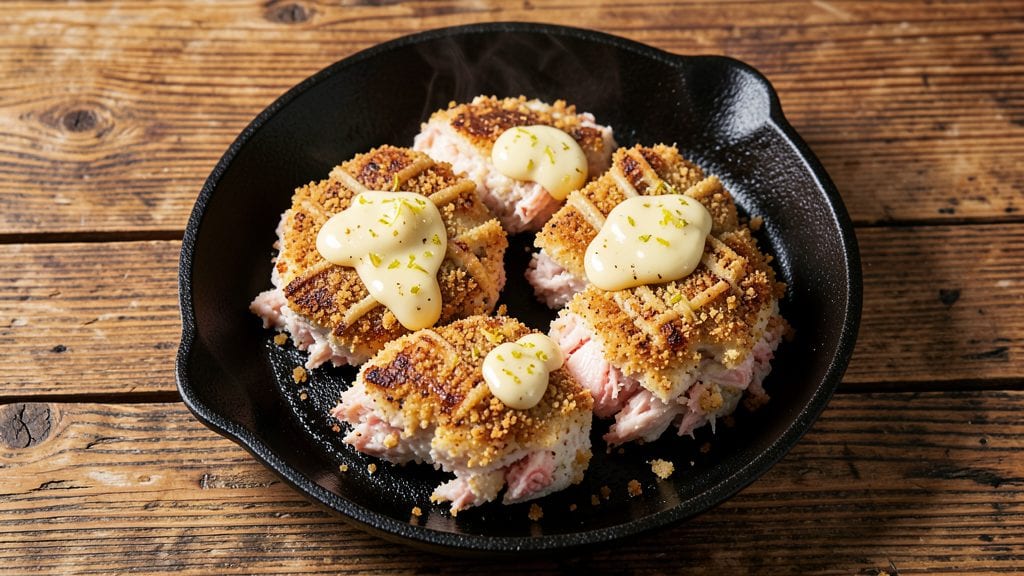
Alton Brown's crab cakes recipe delivers the perfect balance of crispy cornmeal crust and juicy pink centers—just like the ones you'd find at a high-end seafood restaurant. This method transforms fresh crab meat into golden, tender bites that hold their shape while maintaining that signature Alton Brown precision.
The secret lies in chilling the batter before cooking, which ensures crispiness without sacrificing moisture.
What sets these crab cakes apart is the combination of traditional techniques and modern twists, like incorporating Old Bay seasoning for a deep, savory flavor. The recipe uses just the right amount of mayo and breadcrumbs to bind the crab, while a light cornmeal coating creates that coveted crunch.
Pan-frying in small batches guarantees even cooking, so every bite is perfectly crispy on the outside and tender on the inside.
By the time you serve these crab cakes, they’ll be golden-brown and irresistibly crisp, with juicy crab meat peeking through the crust. Pair them with a tangy remoulade or lemon aioli for a restaurant-quality meal that’s surprisingly easy to make at home.
The result? A dish that’s both elegant and foolproof, perfect for entertaining or a special weeknight dinner.
This recipe scales beautifully for gatherings, and the leftovers reheat well if stored properly. Whether you're a seasoned home cook or new to crab cakes, this method delivers consistent, professional results every time. Let’s get started!
Ingredients for alton brown crab cake
Twelve ingredients transform fresh crab into restaurant-worthy bites with Alton Brown's signature precision technique.
| Ingredient | Amount | Notes |
|---|---|---|
| Fresh Lump Crab Meat 🦀 | 1 ½ lbs | Backfin or claw meat preferred |
| Mayonnaise 🥛 | ½ cup | Duck egg preferred for richness |
| Fine Dry Breadcrumbs 🍞 | ¾ cup | Panko works for extra crunch |
| Fine Cornmeal 🌾 | ¼ cup | Stone-ground preferred |
| Old Bay Seasoning 🌶️ | 1 ½ tbsp | Classic blend for depth |
| Fresh Lemon Juice 🍋 | 1 tbsp | From 1 small lemon |
| Large Eggs 🥚 | 1 whole | Cold for better binding |
| Unsalted Butter 🧈 | ½ cup | Melted for frying |
| Diamond Crystal Kosher Salt 🧂 | ½ tsp | For final seasoning |
| Black Pepper 🌶️ | ¼ tsp | Freshly cracked |
| Extra-Virgin Olive Oil 🫒 | 1 tbsp | For pan searing |
| Fresh Chives 🌿 | 2 tbsp | Finely chopped for garnish |
The crab meat is non-negotiable for authentic texture. Fresh lump crab meat from a reputable seafood market delivers that signature juicy bite—avoid imitation or pre-mixed blends. For optimal quality, purchase backfin or claw meat from a supplier like Whole Foods or your local fishmonger, ensuring it's packed in ice. The difference in texture and flavor is noticeable. If working with shell-on crab, pick it clean and remove any cartilage. For Old Bay seasoning, McCormick's original blend maintains the classic flavor profile Alton Brown intended, though store-brand versions work in a pinch.
Substitutions should preserve the dish's integrity. No fresh lump crab? Jumbo lump crab meat works, though texture will differ slightly. For the mayo, Duck Egg Mayo from Hellmann's or Best Foods adds richness, but regular mayo suffices. The breadcrumbs can be swapped for Japanese panko for extra crunch, though fine dry breadcrumbs yield a more traditional texture. Short on cornmeal? Fine yellow cornmeal from Bob's Red Mill is ideal, but all-purpose flour at half the amount can substitute in a bind. The lemon juice must be fresh—bottled versions lack the necessary acidity to properly bind the mixture.
Proper handling ensures optimal results. Chill the crab cake mixture for at least 30 minutes before cooking to firm up the texture. Store any unused crab meat in an airtight container with a damp paper towel, using within 2 days for peak freshness. Leftover crab cakes reheat beautifully in a skillet with a touch of butter, though they're best enjoyed fresh. For longer storage, freeze shaped crab cakes on a parchment-lined tray before transferring to a sealed bag—up to 3 months frozen. Always bring frozen crab cakes to room temperature before reheating for even cooking.
Why You'll Love This Recipe
- Same recipe, two vibes: Pan-seared for a quick Tuesday dinner or baked for a dinner party. The breadcrumb-cornmeal crust stays crispy either way, and the leftovers? Still taste like you slaved over them. (Between us, my book club thinks they’re restaurant-quality.)
- No-Fuss Mixing: I swear by the 10-minute stir—just fold the crab with mayo, breadcrumbs, and Old Bay until it just holds. No overworking, no stress, and that cornmeal? It’s the secret to a crust that doesn’t fall apart when you flip. (Yes, even if you’re new to crab cakes.)
- Old Bay Magic: That one teaspoon of Old Bay isn’t just seasoning—it’s the whole party. Smoky, zesty, and just salty enough to make your taste buds do a happy dance. Honestly, I’ve tried fancy blends, but nothing beats the classic combo of mayo, crab, and that iconic spice mix.
- Weeknight or Fancy: Same recipe, two vibes: Pan-seared for a quick Tuesday dinner or baked for a dinner party. The breadcrumb-cornmeal crust stays crispy either way, and the leftovers? Still taste like you slaved over them. (Between us, my book club thinks they’re restaurant-quality.)
Step-by-step instructions for Alton brown-inspired crab cakes
Master the balance of texture and flavor with this refined technique for restaurant-quality crab cakes.
Prepare the Crab Mixture with Precision
In a large mixing bowl, gently combine the 1.5 lbs fresh lump crab meat with the 0.5 cup mayonnaise using your hands or a rubber spatula. Work just until the crab is evenly moistened—avoid overmixing, which can break down the delicate meat texture. Add the 1 tbsp fresh lemon juice and 1.5 tbsp Old Bay seasoning, mixing lightly to distribute the citrus brightness and seasoning throughout.
The key here is to maintain the crab's natural structure while incorporating enough binder to hold the cakes together. If using backfin or claw meat, you'll notice the texture varies slightly—this variation actually enhances the final product when properly balanced. Keep the mixture cold at this stage to prevent the mayonnaise from breaking down.
Create the Crispy Cornmeal Crust
In a separate bowl, whisk together the 0.75 cup fine dry breadcrumbs, 0.25 cup fine cornmeal, 0.5 tsp Diamond Crystal kosher salt, and 0.25 tsp black pepper. This combination creates the signature crispy exterior while adding subtle sweetness from the cornmeal. Add the 1 whole large egg and mix until the dry ingredients are fully incorporated and the mixture resembles wet sand.
Here's where the magic happens: the cornmeal provides that coveted crunch while the breadcrumbs add structure. I like to press this mixture through a fine-mesh sieve to eliminate any large particles that could create uneven texture in the finished crab cakes. This step ensures every bite delivers that satisfying contrast between crisp exterior and tender interior.
Form and Chill the Crab Cakes
Using a lightly oiled scoop or your hands, form the crab mixture into 4 equal patties (about ¾-inch thick). Gently press the cornmeal mixture around each patty, coating all sides thoroughly. Place the formed crab cakes on a parchment-lined plate and refrigerate for 30 minutes. This chilling period allows the mayonnaise to set slightly, preventing the cakes from falling apart during cooking.
For even cooking, I press down gently on each patty during the first minute of chilling—this prevents them from curling and ensures even contact with the pan. The cakes should hold their shape well after chilling, with a firm but not rock-hard surface. This is your quality control checkpoint before the critical cooking phase.
Achieve the Perfect Sear and Crisp
Heat 1 tbsp extra-virgin olive oil and 0.5 cup unsalted butter in a large skillet over medium-high heat until the butter foams but doesn't brown. Working in batches if needed, carefully place the chilled crab cakes in the skillet. Cook for 3-4 minutes per side until the crust is deep golden brown and the edges begin to crisp. The internal temperature should reach 145°F when checked with an instant-read thermometer.
This is where you'll earn your crispy crust. I resist the urge to flip too early—you'll know it's ready when the edges develop a golden-brown crust that releases cleanly from the pan. The butter should be bubbling gently around the cakes, creating that beautiful caramelized crust. If the pan gets too hot and the butter starts to brown too quickly, reduce the heat slightly to medium and continue cooking.
Rest and Garnish for Maximum Impact
Transfer the cooked crab cakes to a wire rack and let them rest for 5 minutes. This resting period allows the juices to redistribute, ensuring each bite remains moist and flavorful. While they rest, melt any remaining butter in the skillet and carefully spoon this golden liquid over the top of each crab cake.
Garnish each crab cake with 2 tbsp finely chopped fresh chives, distributing them evenly across the surface. Serve immediately with lemon wedges on the side—this allows diners to adjust the brightness to their preference. The cakes should have a crisp, golden crust that gives way to juicy pink crab with each bite, perfectly balanced by the herby chives and buttery richness.
Pro Tips For Making Alton Brown Crab Cake
- CHILL THE CRAB MIX: After combining the crab, mayo, and Old Bay, pop the mixture in the fridge for 15–20 minutes before shaping. I used to skip this, and my cakes always fell apart when frying—cold ingredients bind better, so the texture stays intact. (Yes, even if you’re impatient like me.)
- PAT THE CRAB DRY: Drain the fresh lump crab, then blot it thoroughly with paper towels—press out every drop of moisture. Wet crab makes your cakes dense and greasy; dry crab gives that light, airy texture Alton’s recipe promises. (Your future self will thank you.)
- FRY IN BATCHES: Crowd the pan, and you’ll steam the cakes instead of sear them. Fry just 2–3 at a time in about 2 tablespoons of oil per batch, and keep the heat steady at 350°F. Overloading drops the temp, and you end up with soggy bottoms—no one wants that.
- TOAST THE CORNMEAL: Before mixing, lightly toast the fine cornmeal in a dry skillet for 2–3 minutes until it smells nutty. This adds a subtle crunch and depth of flavor—skip it, and you’re missing a key texture layer. (I was skeptical until I tried it.)
Make-ahead tips for this dish
Prep Ahead Strategy
Form the crab cakes up to 24 hours in advance and store them uncovered in the refrigerator. This allows the flavors to meld while the surface dries slightly for better browning later.
I like to place them on a wire rack over a plate to prevent sticking—this creates a crispier exterior when you cook them fresh. 💪
Freezing for Later
For longer storage, shape the crab cakes and freeze them on a parchment-lined tray for 1 hour to set. Transfer to a sealed freezer bag with parchment between layers to prevent sticking.
They'll keep for up to 3 months. When ready to cook, thaw in the refrigerator overnight for even cooking results.
Make-Ahead Cooking
Cook the crab cakes ahead of time and reheat in a skillet with 2 tablespoons butter over medium heat for 2-3 minutes per side. The key is to maintain the crispy texture—avoid microwaving as it makes them soggy.
I often make a double batch and reheat portions as needed for gatherings. ✨
Pre-Portioning Tips
Divide the crab mixture into 4 equal portions before forming the cakes. This ensures consistent size and cooking time. Weigh each portion on a kitchen scale for precision—aim for 6 ounces each.
I use a small ice cream scoop for uniform shaping, which also speeds up the process when making multiple batches.
Garnish in Advance
Chop all garnishes—like 2 tablespoons fresh chives—and store them in a small airtight container in the refrigerator. This saves time during final assembly. I also prepare extra lemon wedges and sauce components ahead of time to streamline serving.
The garnishes should always be added fresh after cooking for maximum flavor impact.
Serving Timeline
Plan to cook the crab cakes just before serving for optimal texture. If pre-cooked, reheat them in a 350°F oven for 5-7 minutes on a wire rack to maintain crispiness.
I recommend keeping them warm in a 200°F oven while you finish other components of your meal. This ensures they stay warm without drying out. 🔥
Nutrition facts
Frequently asked questions
Why do I need to chill the crab cake mixture before cooking?
Chilling for 30 minutes firms up the mayonnaise binder, preventing the cakes from crumbling when you cook them. This step also helps create a better sear—cold cakes release moisture more gradually, resulting in a crispier crust. Think of it as setting the foundation for that perfect golden-brown exterior.
Can I substitute fresh lump crab meat with canned or imitation?
Fresh lump crab meat is ideal for authentic texture, but if you must substitute, use jumbo lump crab meat from a high-quality can. Imitation crab will work in a pinch, though the texture will be less luxurious. For best results, drain it thoroughly and pat it dry before mixing. The flavor difference is noticeable, so fresh is always preferred.
How do I fix crab cakes that fall apart when cooking?
Overmixing the crab mixture or skipping the chilling step are common culprits. For a quick fix, add 1 extra tablespoon of mayonnaise or 1 tablespoon of cornstarch to the mixture and press the cakes together firmly. If they still crumble, try baking them at 375°F for 12-15 minutes instead of pan-frying for better structural support.
What's the best way to reheat leftover crab cakes?
Reheat in a skillet over medium heat with 1 tablespoon butter for 2-3 minutes per side to restore crispiness. Avoid microwaving—they'll turn soggy. For oven reheating, place on a wire rack at 350°F for 5-7 minutes to maintain texture. The key is gentle heat to revive the crust without drying out the crab.
Can I bake these crab cakes instead of pan-frying?
Preheat your oven to 375°F and bake the crab cakes on a parchment-lined tray for 12-15 minutes until golden brown. Brush with melted butter halfway through for extra crispiness. Baking works well for larger batches and is a great option if you're short on stovetop space. The texture will be slightly less crispy than pan-fried, but still delicious.