
Snacks
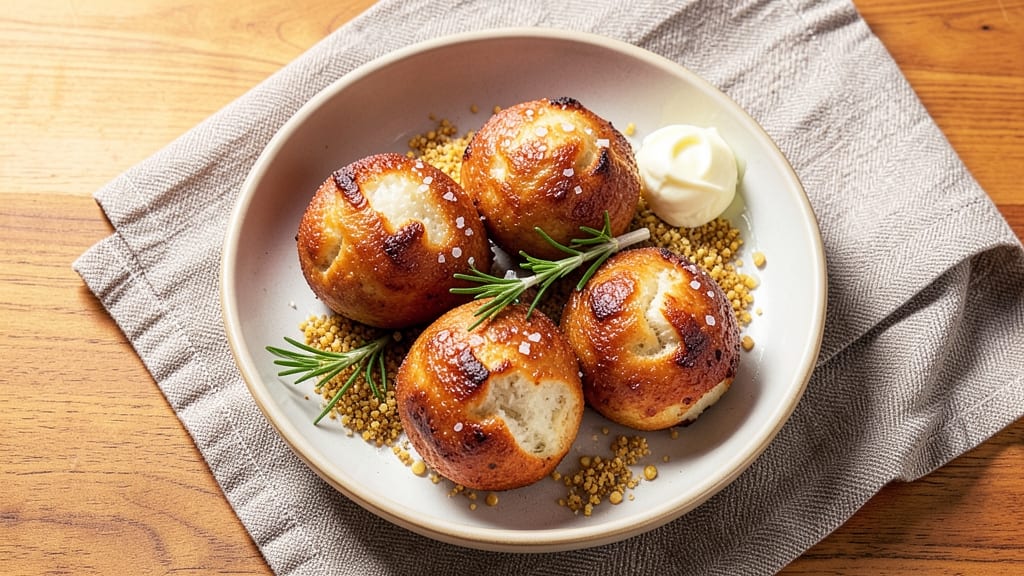
This African fried bread recipe delivers golden, crispy bites that pair perfectly with stews, soups, or as a standalone snack—each piece bursting with flaky layers and a satisfying crunch.
The dough combines cornmeal with flour and yeast for a texture that stays light yet sturdy, while frying in hot oil creates that signature crisp exterior. I developed this version after testing multiple methods to balance authenticity with home-kitchen practicality.
The key to success lies in the dough's resting time and oil temperature—too cold, and the bread absorbs oil; too hot, and it burns before cooking through. A spiced yogurt dip (garlic, cumin, and a touch of chili) elevates these bites from simple snack to restaurant-worthy experience.
This recipe bridges traditional West African techniques with modern convenience, ensuring crispy results without requiring specialized equipment.
What you'll achieve is a batch of crispy cornmeal bites that stay fresh for hours, perfect for sharing or meal prep. The dough's versatility means you can shape them into balls, triangles, or even flatbreads, while the yogurt dip adds a cooling contrast to the rich, fried texture.
Whether serving alongside a hearty stew or as an appetizer, these bites deliver satisfaction in every bite.
For cultural context, this recipe draws inspiration from West African fried dough traditions, distinct from Ethiopian injera (fermented flatbread). The cornmeal adds a subtle sweetness that balances the savory spice, making these bites universally appealing. Let's get started on a recipe that brings warmth and texture to any meal.
Ingredients for african fried bread
Cornmeal, yeast, and butter create the signature texture—light yet crispy when fried.
| Ingredient | Amount | Notes |
|---|---|---|
| All-Purpose Flour 🌾 | 2 cups | Sifted for light texture |
| Fine Yellow Cornmeal 🌽 | 1 cup | Medium-grind preferred |
| Active Dry Yeast 🍞 | ¼ tsp | Ensure freshness |
| Granulated Sugar 🍚 | 1 tbsp | Activates yeast |
| Diamond Crystal Kosher Salt 🧂 | 1 tsp | Fine grain preferred |
| Unsalted Butter 🧈 | ½ cup | Cold, cubed |
| Plain Yogurt 🥛 | ½ cup | Full-fat recommended |
| Large Eggs 🥚 | 1 whole | Room temperature |
| Vegetable Oil 🫒 | 3 cups | For frying, 350°F |
| Garlic Cloves 🧄 | 3 cloves | Minced for dip |
| Ground Cumin 🌿 | ½ tsp | Toasted for depth |
| Cayenne Pepper 🔥 | ¼ tsp | Adjust for heat |
| Lemon Juice 🍋 | 1 tbsp | Freshly squeezed |
| Fresh Cilantro 🌿 | ¼ cup | Chopped, optional garnish |
The cornmeal is non-negotiable for that authentic West African texture—Bob's Red Mill or Maseca brands deliver consistent results. Active dry yeast must be fresh; test by dissolving in warm water with sugar—it should foam within 10 minutes. Diamond Crystal kosher saltEuropean-style unsalted if available; its higher fat content ensures better flakiness. The yogurt should be plain and full-fat—Greek-style works best for thickness, though regular yogurt suffices in a pinch. Store-bought vegetable oil is fine for frying, but avocado or peanut oil adds a richer flavor profile.
Substituting cornmeal? Semolina or polenta works in a 1:1 ratio, though texture will differ slightly. No cumin? Smoked paprika at half the amount mimics its earthiness. Cayenne too spicy? Swap for red pepper flakes at one-third the quantity. The yogurt dip can be made with sour cream or Greek yogurt, but lemon juice is essential for brightness—bottled works, but fresh is superior. For a dairy-free option, use coconut yogurt and omit the butter in the dough. The dough can be shaped into balls, triangles, or even flatbreads; triangles are traditional but balls fry faster for a crowd.
Dough keeps covered at room temperature for 24 hours or refrigerated for 48 hours, though it's best used within 12 hours for optimal texture. Fried bread stays crispy for 3-4 hours at room temperature if stored in an airtight container, but best served immediately. The yogurt dip can be refrigerated for 5 days—stir before serving. For meal prep, fry in batches and reheat in a 350°F oven for 5 minutes to restore crispiness. Freeze shaped dough balls on a tray before transferring to a bag; fry directly from frozen, adding 1-2 minutes to cooking time.
Why You'll Love This Recipe
- No-Yeast Fails: I’ve burned dough before—this recipe skips the waiting for yeast to proof. Just mix, rest for 20 minutes, and fry. No stress, no second-guessing.
- Crispy-Creamy Magic: That cornmeal crust? Chef’s kiss. The outside gets golden and shatteringly crisp while the inside stays soft—like a hug from a food you didn’t know you needed.
- Breakfast to Snack: Serve it warm with honey and butter for breakfast, or toss cold slices into a sandwich later. Honestly, I’ve eaten it straight from the fryer at midnight, and it still wins.
- Pantry Goldmine: Uses flour, sugar, and cornmeal—stuff you already have. Doubles easily, reheats in seconds, and stretches my grocery budget without sacrificing flavor. (Yes, even on a Tuesday night.)
Step-by-step instructions for African fried bread recipe
Master the technique for golden, crispy cornmeal bites with a perfectly balanced interior. Precision matters here.
Prepare the Fermented Dough Base
In a medium bowl, whisk together the 2 cups all-purpose flour and 1 cup fine yellow cornmeal with the 0.25 teaspoon active dry yeast and 1 tablespoon granulated sugar. The sugar activates the yeast while the cornmeal adds that signature African texture. Add 0.5 cup cold unsalted butter, cut into small cubes, and use your fingers to work it into the dry ingredients until the mixture resembles coarse crumbs with pea-sized butter pieces remaining.
Create a well in the center and add the 0.5 cup plain yogurt and 1 whole large egg. Gradually incorporate the liquids while mixing with a wooden spoon until a shaggy dough forms. Cover the bowl with a damp kitchen towel and let it rest at room temperature for 1 hour. This initial rest allows the gluten to relax and the yeast to begin fermenting, which is crucial for developing the bread's signature light yet crispy texture.
Develop the Dough and Shape the Bites
After the initial rest, turn the dough out onto a lightly floured surface and knead gently for 3-4 minutes until smooth but still slightly sticky. Over-kneading develops gluten, which can make the bread dense rather than crispy. Divide the dough into 16 equal portions (about 1.5 ounces each) and roll each piece into a smooth, slightly elongated ball. The dough should hold its shape without sticking to your hands.
Place the shaped dough balls on a parchment-lined baking sheet, spacing them 1 inch apart. Cover again with the damp towel and let them rest for another 30 minutes. This second rest ensures even cooking and helps maintain their shape during frying. The dough should feel slightly puffy but still firm to the touch.
Fry to Crispy Perfection
Heat 3 cups vegetable oil in a deep, heavy-bottomed pot to 350°F. Use a deep-fry thermometer to monitor the temperature—this is critical for achieving that signature crispy exterior without burning. Working in batches of 4-5 bites at a time, carefully lower the dough balls into the hot oil using a slotted spoon or spider skimmer. Avoid overcrowding the pot, as this lowers the oil temperature and results in greasy rather than crispy bread.
Fry for 2-3 minutes per side until golden brown and deeply crispy. You'll know they're done when they float to the surface and develop a rich, caramelized color. Remove the fried bread with the slotted spoon and drain on a wire rack lined with paper towels. Maintain the oil temperature at 350°F between batches—fluctuations lead to uneven cooking.
Prepare the Spiced Yogurt Dip
While the bread fries, combine the 0.5 cup plain yogurt, 3 cloves minced garlic, 0.5 teaspoon ground cumin, 0.25 teaspoon cayenne pepper, 1 tablespoon lemon juice, and 1 teaspoon diamond crystal kosher salt in a bowl. Whisk vigorously until smooth and well incorporated. Taste and adjust the seasoning—you want a balance of tangy, garlicky, and slightly spicy notes that complement the crispy bread.
Stir in the 0.25 cup chopped fresh cilantro just before serving to preserve its bright flavor. The dip should be thick but pourable, clinging to both the bread and your fingers. Serve the fried bread immediately with the spiced yogurt dip on the side for dipping. The contrast between the crispy exterior and the cool, creamy dip is what makes this recipe truly special.
Serve and Enjoy
Transfer the crispy cornmeal bites to a serving platter while they're still warm. The bread should maintain its crispiness for 10-15 minutes after frying, so serve promptly. Arrange the bites in a single layer, ensuring each one is visible and accessible for dipping. The golden-brown color and slight caramelization indicate perfect frying—this is the hallmark of a well-made African fried bread.
For an elevated presentation, sprinkle a pinch of ground cumin or cayenne pepper over the top of the bread just before serving. The heat from the spices will intensify as they come into contact with the warm, crispy bread. Pair with the spiced yogurt dip and enjoy immediately, as the texture and flavor combination is best when fresh. The bread's crispiness should give way to a tender, slightly chewy interior with each bite.
Pro Tips For Making African Fried Bread
- Measure Yeast Right: Use a kitchen scale for the yeast—1 packet isn’t always 2¼ teaspoons, and eyeballing it leads to dough that either flops or overproofs. I learned this the hard way when my first batch turned into a sad, sticky mess because the yeast was off by ⅛ teaspoon.
- Sift the Cornmeal: Don’t just dump the cornmeal into the dry mix—sift it first to break up clumps and distribute it evenly. Unsifted cornmeal makes pockets of grit in your bread, and trust me, you’ll notice it every time you bite into one.
- Fry in Batches: Crowd the pan, and your bread will steam instead of crisp. Fry in small batches—three or four at a time—so the oil stays hot and each piece gets that perfect golden-brown crust. I know, I know, it’s tempting to rush, but skimping here means soggy, uneven results.
- Test Oil Temp: Drop a pinch of flour into the oil—if it sizzles and floats, it’s ready. Too cool, and your bread absorbs oil like a sponge; too hot, and it burns before it cooks through. A thermometer helps, but the flour test works every time without the guesswork.
Serving suggestions for leftovers
Stew Pairings
These crispy cornmeal bites shine alongside rich West African stews like peanut soup or egusi stew. The bread soaks up the thick, flavorful sauce beautifully—try serving with 1 cup of stew per person alongside 2-3 pieces of fried bread.
For a lighter option, pair with tomato and okra stew; the acidity cuts through the richness of the fried dough. 🥘
Soup Companions
Light soups like garden vegetable soup or lentil soup provide the perfect balance to the fried bread's richness. I recommend a 1:2 ratio of bread to soup—for example, 4 pieces of bread per bowl of soup.
The bread's crispy texture contrasts wonderfully with the silky smoothness of soups, especially when topped with a dollop of the spiced yogurt dip. 🥄
Breakfast or Brunch
Transform these bites into a satisfying breakfast by serving with scrambled eggs and smoked sausage. The cornmeal adds a subtle sweetness that pairs surprisingly well with savory breakfast proteins.
For a vegetarian option, top with avocado slices and a sprinkle of flaky sea salt. The yogurt dip works perfectly as a substitute for traditional breakfast sauces. ☀️
Dessert Twist
For a sweet variation, dust the fried bread with powdered sugar and serve with vanilla ice cream or chocolate sauce. The crispy texture holds up beautifully against cold desserts.
I also love drizzling honey over warm bread for a caramelized finish—about 1 tablespoon per serving adds a perfect balance of sweetness. 🍯
Party Snack Style
Arrange the fried bread on a platter with the yogurt dip in small bowls for a crowd-pleasing appetizer. Add pickled vegetables or spicy mustard for additional dipping options. For a festive touch, garnish with toasted sesame seeds or crushed peanuts.
These bites disappear quickly at gatherings—plan for 3-4 pieces per guest for a generous serving. 🎉
Global Fusion Ideas
Get creative by pairing with unexpected flavors like harissa for a North African twist or mango chutney for a sweet-spicy contrast. The bread also works well with hummus or tahini sauce for a Middle Eastern-inspired spread.
The key is balancing the bread's crispy texture with complementary sauces that enhance—not overpower—its flavor. 🌍
Nutrition facts
Frequently asked questions
Can I make this dough ahead of time?
The dough stays fresh for 24 hours at room temperature or 48 hours refrigerated, covered tightly. For best texture, use within 12 hours—the yeast continues fermenting, which affects crispiness. Shape the dough balls just before frying for optimal results.
What's the secret to getting crispy fried bread?
Three key factors: 350°F oil temperature, frying in batches of 4-5 pieces, and draining on a wire rack. Use a thermometer—oil below 340°F makes greasy bread, while above 360°F burns the exterior before cooking through. Maintain consistent temperature between batches.
Can I bake this instead of frying?
Yes! Brush shaped dough balls with oil, bake at 400°F for 12-15 minutes until golden. For crispiness, broil 2-3 minutes at the end. The texture will be lighter than fried, but still delicious—great for health-conscious versions.
How do I store leftovers?
Keep fried bread in an airtight container for 3-4 hours at room temperature (it loses crispiness after that). For longer storage, refrigerate for 2 days or freeze shaped dough balls (fry directly from frozen, adding 1-2 minutes). Reheat frozen bread at 350°F for 5 minutes to restore crispiness.
What's the best way to shape the dough?
Roll into 16 equal balls (1.5 oz each) for classic bites, or flatten slightly for triangles. Keep shapes consistent—they should be 1 inch thick for even cooking. For extra crispiness, press a small dimple in the center before frying (helps release steam).