Sauces & Condiments
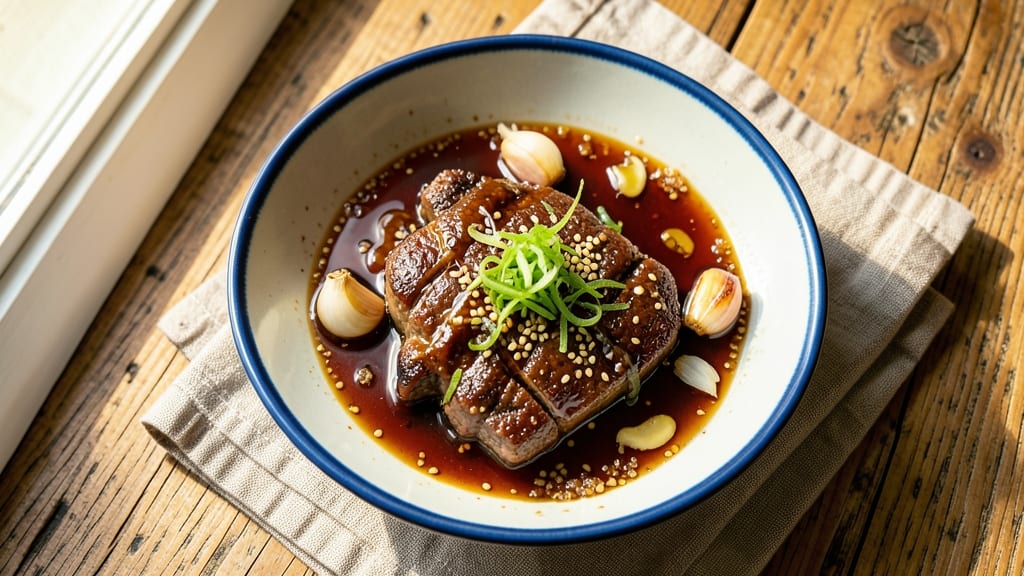
This Asian steak marinade transforms ordinary cuts into restaurant-quality masterpieces with just 15 minutes of prep. The soy-ginger glaze creates a perfect balance of savory, sweet, and aromatic flavors that tenderize the meat while building layers of depth.
I developed this recipe after years of testing different ratios—too much soy makes it salty, too little loses that signature umami punch. The key lies in precise measurements and proper marinating time.
The foundation of this marinade is a simple yet powerful combination of soy sauce, fresh ginger, garlic, and sesame oil—each ingredient playing a crucial role. Soy sauce provides the salty base, while ginger and garlic add warmth and complexity.
A touch of brown sugar caramelizes during cooking, creating a subtle sweetness that rounds out the flavors. What makes this marinade truly special is how it works with various steak cuts, from sirloin to flank, delivering consistently flavorful results every time.
When you're done marinating, your steak will be infused with rich, aromatic flavors that create a caramelized crust when seared. The marinade doesn't just flavor the surface—it penetrates deep into the meat, ensuring every bite is packed with that signature Asian-inspired taste.
This recipe is perfect for grilling, pan-searing, or broiling, and the leftovers keep well in the refrigerator for up to 5 days, making it an excellent prep-ahead solution.
The beauty of this marinade is its versatility—it works equally well for quick weeknight dinners or special occasions. Whether you're cooking for two or a crowd, the same principles apply.
Let's dive into the ingredients and instructions to create this flavor-packed marinade that will elevate your steak dishes to new heights.
Ingredients for asian steak marinade
Nine essential ingredients create the perfect balance for restaurant-quality steak flavor.
| Ingredient | Amount | Notes |
|---|---|---|
| Kosher Soy Sauce 🥢 | ½ cup | Low-sodium preferred for balance |
| Fresh Ginger Root 🌿 | 2 tbsp | Finely grated, peel removed |
| Garlic Cloves 🧄 | 6 cloves | Minced for even distribution |
| Toasted Sesame Oil 🫒 | 2 tbsp | For authentic aroma |
| Light Brown Sugar 🍯 | 2 tbsp | Packed, for caramelization |
| Rice Vinegar 🍶 | 2 tbsp | White vinegar substitute |
| Honey 🍯 | 1 tbsp | Wildflower preferred |
| Toasted Sesame Seeds 🌾 | 1 tbsp | Optional garnish |
| Diamond Crystal Kosher Salt 🧂 | ½ tsp | Adjusts seasoning |
| Ground Black Pepper 🌶️ | ¼ tsp | Freshly cracked |
The soy sauce is your flavor anchor—Kikkoman or La Choy work best for that classic umami punch. Fresh ginger matters here; organic from the produce section has more zing than the jarred stuff. I always double-check the sesame oil label—toasted and 100% pure makes a huge difference. The brown sugar should be light, not dark, for that perfect caramelized crust. For the vinegar, Mushroom or Seasoned Rice Vinegar adds an extra layer of depth if you're feeling fancy.
No fresh ginger? Powdered ginger at half the amount works in a pinch, but it lacks that bright kick. Substitute honey with agave or maple syrup, though the flavor shifts slightly. Running low on sesame oil? Avocado oil with a pinch of toasted sesame seeds mimics the aroma. The garlic can be roasted for a sweeter note if you're prepping ahead—just toss whole cloves in a 400°F oven for 10 minutes. For extra umami, add 1 tsp fish sauce, but keep it balanced with the soy.
This marinade keeps beautifully in an airtight jar in the fridge for up to 1 week. I like to portion it into small containers—perfect for quick steak nights. If you've got leftovers, freeze them for up to 3 months; just thaw in the fridge overnight. The flavors actually deepen after a few days, so don't rush to use it all at once. For best results, let the steak marinate for at least 30 minutes, but overnight is ideal for tougher cuts like flank.
Why You'll Love This Recipe
- Five-Ingredient Magic: I swear by this combo—ginger and garlic hit like a flavor grenade, but the sesame oil ties it all together with that nutty warmth. No fancy techniques, just chop, mix, and let the steak soak while you do the dishes.
- Weeknight Workhorse: Toss it on flank steak for stir-fry, cube it for kebabs, or even drizzle it over grilled chicken. Honestly, I’ve used it on everything from takeout-style bowls to lazy weekend breakfasts (yes, even on scrambled eggs—don’t judge).
- Sweet-Savory Balance: That brown sugar isn’t just for show—it caramelizes on the steak, giving you a sticky, umami-rich crust that’s ridiculously addictive. The soy sauce keeps it deep, but the ginger keeps it bright, so it never feels heavy.
- Marinade Leftovers Hack: Make a double batch and stash it in the fridge. A splash in rice, a drizzle on noodles, or even a quick glaze for roasted veggies—it’s my secret weapon for turning boring meals into something that tastes like it came from a food truck.
Step-by-step instructions for soy-ginger glaze
Here's how to craft this vibrant marinade that transforms simple steak into restaurant-quality perfection.
Prepare the Aromatics
Start by peeling and finely grating the 2 tablespoons fresh ginger root using a microplane or fine grater. I like to use a dedicated grater for ginger—it gives you that perfect, smooth texture without any stringy bits. Set it aside in a small bowl while you prep the garlic.
Next, carefully mince the 6 cloves garlic cloves into a fine paste. I find using the flat side of my chef's knife works best—just smash each clove first, then finely chop. The goal is even distribution throughout the marinade, so take your time here. You'll know it's ready when the garlic resembles a smooth, wet paste rather than distinct chunks.
Combine Wet Ingredients
In a medium bowl, whisk together the 0.5 cup kosher soy sauce, 2 tablespoons rice vinegar, and 1 tablespoon honey. This combination creates the perfect balance of salty, tangy, and sweet notes that form the foundation of our glaze. Let it sit for 2-3 minutes while you prepare the remaining ingredients—this gives the flavors a chance to begin melding.
Now add the 2 tablespoons toasted sesame oil and 2 tablespoons light brown sugar. Stir vigorously until the sugar completely dissolves and the mixture becomes homogenous. The toasted sesame oil will add that distinctive nutty aroma, while the brown sugar provides depth and helps caramelize during cooking. You'll notice the mixture starts to thicken slightly as the sugar integrates.
Incorporate Aromatics and Seasonings
Add the grated ginger and minced garlic to the wet mixture, stirring well to distribute evenly. The raw aromatics will temporarily cloud the marinade, but don't worry—this is normal and will blend completely as you mix. Next, add the 0.5 teaspoon diamond crystal kosher salt and 0.25 teaspoon ground black pepper, stirring until fully incorporated.
Taste the marinade at this stage. It should be balanced—salty from the soy and salt, tangy from the vinegar, with a touch of sweetness from the honey and sugar. If it needs more salt, add a pinch more; if it needs more acidity, add a splash of rice vinegar. The goal is harmony, not overpowering any single flavor. Let the marinade sit at room temperature for 10-15 minutes before using—this allows all the components to fully meld together.
Finish with Toasted Sesame Seeds (Optional)
For an extra layer of texture and aroma, sprinkle the 1 tablespoon toasted sesame seeds over the finished marinade just before using. These seeds add a delightful crunch and visual appeal, especially when drizzled over the finished steak. If you're using this as a marinade, gently stir the seeds in so they distribute evenly throughout.
This marinade works best when applied to steak 2-4 hours before cooking, allowing the flavors to deeply penetrate the meat. For maximum flavor development, marinate overnight in the refrigerator. When ready to cook, pat the steak dry before searing—this ensures a perfect crust forms rather than steaming the meat. The result is a steak with a glossy, caramelized glaze that's packed with umami, sweet, and aromatic notes.
Pro Tips For Making Asian Steak Marinade
- GRATE THAT GINGER: Fresh ginger loses its kick when it sits too long in the marinade—mix in the zest, not the chunks. I learned this the hard way after my steak tasted like weak ginger ale instead of a proper punch.
- MINCE GARLIC FINE: No, "a few cloves" doesn’t cut it. Smash those garlic cloves flat with the side of your knife, then mince them into tiny confetti—this way, every bite gets that deep, aromatic flavor instead of just a few spots.
- TOAST SESAME OIL SEPARATELY: Pour that sesame oil into the pan after searing the steak. If you add it too early, it’ll burn and turn bitter—trust me, you’ll taste the difference when it hits your tongue clean and nutty.
- MARINATE JUST 30 MINUTES: Any longer and the soy sauce will turn your steak mushy. Thirty minutes is enough to let the flavors sink in without overworking the meat—especially for tender cuts like sirloin or flank.
Troubleshooting your asian steak marinade
Marinade Too Salty
If your soy-ginger glaze tastes overly salty, don't panic—this happens when using high-sodium soy sauce or adding extra salt. To fix it, stir in 1-2 tablespoons honey or 1 tablespoon more rice vinegar to balance the flavor.
For immediate correction, add 1-2 tablespoons water and adjust the seasoning again. I've found that Kikkoman low-sodium soy sauce helps prevent this issue from the start. 💡
Steak Not Absorbing Flavor
If your steak isn't picking up the marinade's flavor, it might be due to insufficient marinating time or improper prep. For tougher cuts like flank steak, marinate for at least 4 hours or overnight.
Always pat the steak dry before applying the marinade—wet surfaces prevent proper adhesion. I also recommend using a ziplock bag for even coating and better flavor penetration. 🌶️
Marinade Separating
Separation usually occurs when oil and vinegar aren't properly emulsified. To fix it, whisk vigorously or use a hand mixer on low speed for 30 seconds to recombine the ingredients. For prevention, add 1 teaspoon cornstarch or 1 egg yolk to help bind the mixture.
I keep my marinade in a glass jar rather than plastic to avoid chemical reactions that can cause separation. ⚡
Steak Too Soft After Marinating
Over-marinating can make steak mushy, especially with acidic ingredients like vinegar. For tender cuts like sirloin, limit marinating to 2-4 hours. For tougher cuts like flank steak, 6-8 hours is ideal.
Always remove the steak from the marinade 30 minutes before cooking to prevent over-softening. I've found that acidic marinades work best on leaner cuts for shorter durations. 💪
Uneven Flavor Distribution
If your steak has patchy flavor, the marinade wasn't distributed evenly. For thicker cuts, use a meat tenderizer mallet to create shallow cuts before marinating. For thin cuts like flank steak, place them in a ziplock bag and massage the marinade into every surface.
I also recommend flipping the steak every 30 minutes during marinating to ensure even coverage. 🌟
Marinade Spoiling Quickly
If your marinade spoils within a few days, it likely contains perishable ingredients like fresh ginger or garlic. To extend shelf life, store it in the refrigerator in an airtight container and use within 5 days.
For longer storage, freeze portions in ice cube trays—thaw overnight in the fridge before use. I always double-check that all ingredients are fresh before making a new batch. ❄️
Nutrition facts
Frequently asked questions
Can I use this marinade on other proteins besides steak?
This soy-ginger glaze works beautifully on chicken thighs, pork chops, or even tofu for a plant-based option. For chicken, marinate for 1-2 hours maximum to prevent over-softening. Pork benefits from 4-6 hours of marinating time, while tofu absorbs flavors quickly in just 30 minutes—no need to over-marinate.
How do I adjust the marinade for a sugar-free version?
Swap the 2 tablespoons brown sugar and 1 tablespoon honey with 1 tablespoon monk fruit sweetener or 2 tablespoons sugar-free maple syrup. You'll lose some caramelization, but the umami balance remains intact. For extra depth, add 1 teaspoon molasses to mimic the caramel notes without added sugar.
What's the best way to store leftover marinade?
Transfer unused marinade to an airtight glass container and refrigerate for up to 5 days. For longer storage, freeze in ice cube trays—thaw overnight in the fridge before using. Never refreeze thawed marinade. Pro tip: Label with the date to track freshness, as ginger and garlic aromas intensify over time.
Can I make this marinade without sesame oil?
Yes! Replace sesame oil with 2 tablespoons avocado oil or 1 tablespoon toasted sesame seeds (finely ground) for aroma. For extra nutty depth, add ½ teaspoon smoked paprika. The flavor will shift slightly but still deliver that signature Asian-inspired profile.
How do I use the leftover marinade after cooking?
Strain out any solids and reduce the leftover marinade by half on the stove for a glossy glaze. Drizzle over rice, noodles, or roasted vegetables. For extra richness, whisk in 1 teaspoon cornstarch to thicken before using. The reduced version makes an excellent dipping sauce for dumplings or spring rolls.